
Sandaara School of Music & Arts
Preserving Heritage. Inspiring Futures. Connecting Cultures.
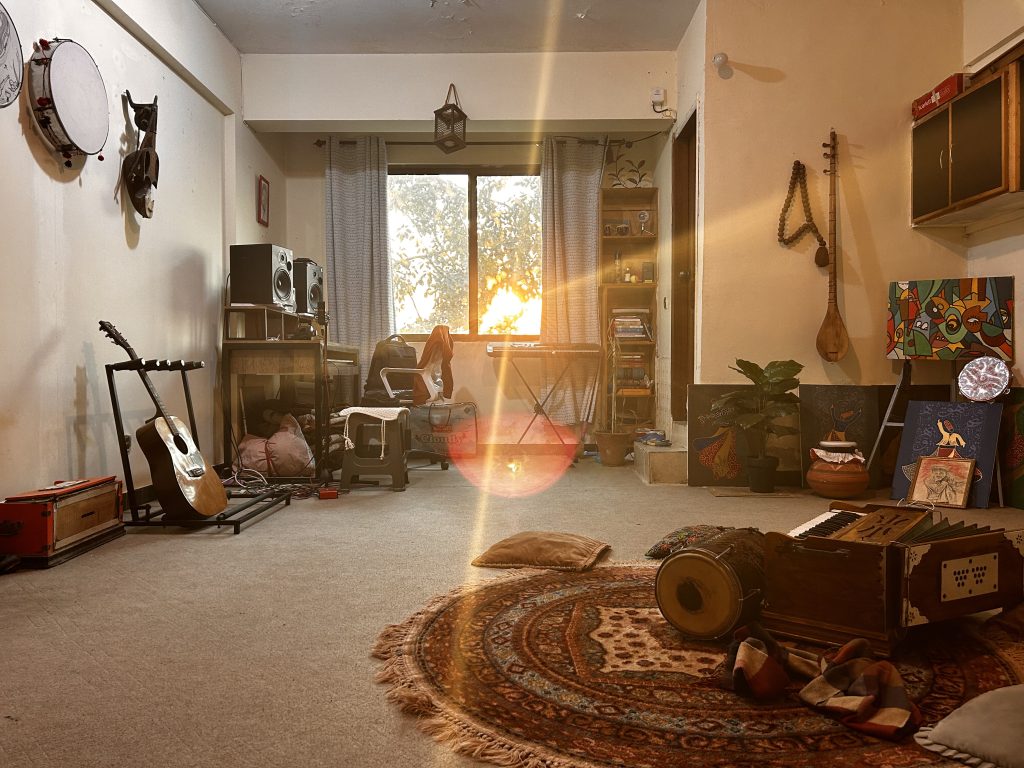
Why Sandaara Matters
Across the region, oral traditions, indigenous instruments, and classical musical knowledge are increasingly at risk—eroded by religious extremism, unchecked commercialization, shrinking cultural spaces, and weakened intergenerational transmission.
Sandaara responds to this cultural loss by institutionalizing traditional knowledge systems while engaging contemporary methods of learning, production, documentation, and digital dissemination. We function not only as a school, but as a cultural platform, connecting heritage with innovation, artists with institutions, and music with society.
Why Sandaara Matters
Across the region, oral traditions, indigenous instruments, and classical musical knowledge are increasingly at risk—eroded by religious extremism, unchecked commercialization, shrinking cultural spaces, and weakened intergenerational transmission.
Sandaara responds to this cultural loss by institutionalizing traditional knowledge systems while engaging contemporary methods of learning, production, documentation, and digital dissemination. We function not only as a school, but as a cultural platform—connecting heritage with innovation, artists with institutions, and music with society.
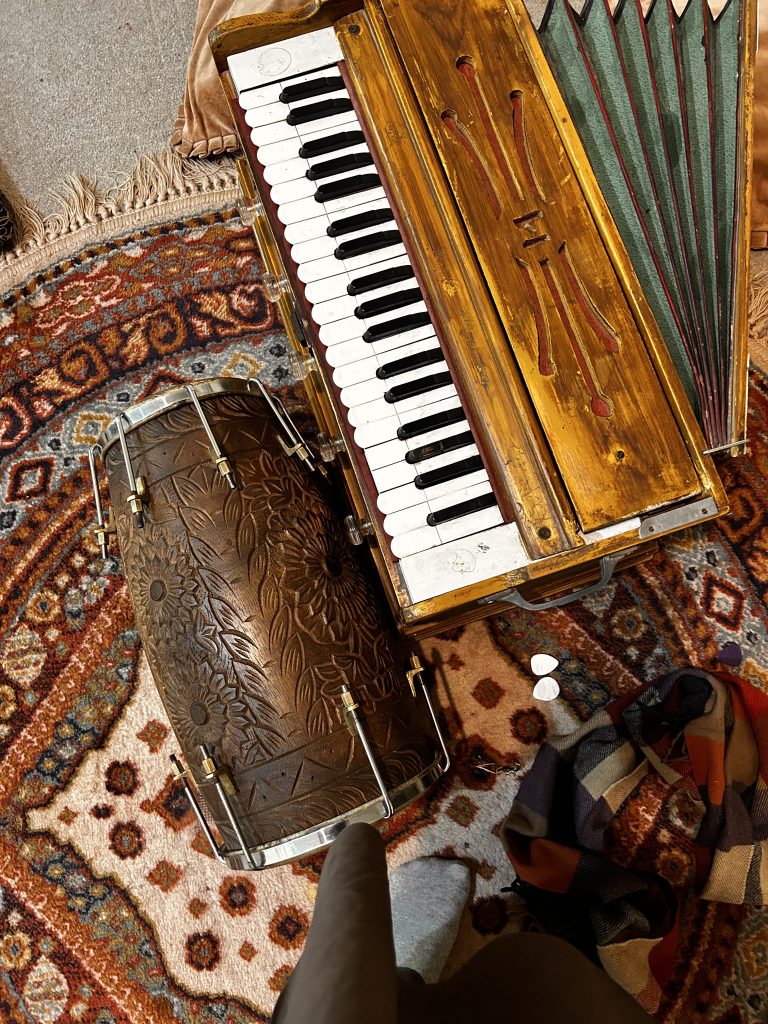
Get your Instrument now on best Price
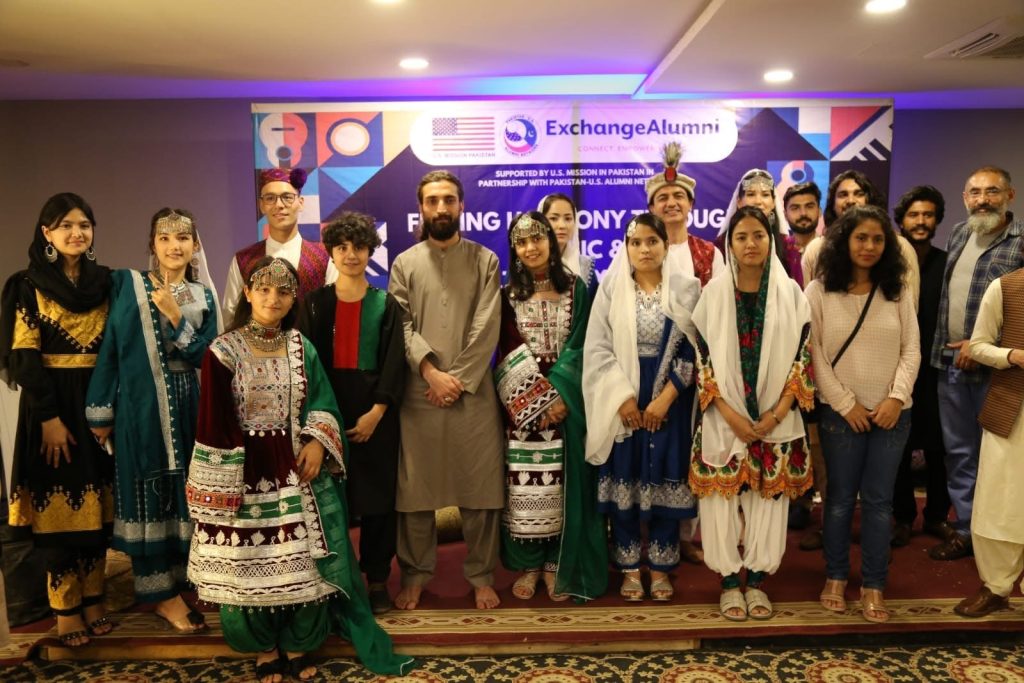
Inclusive & Equitable Cultural Spaces
Sandaara is committed to equitable access to music and arts education for:
Women
Gender-diverse communities
Persons with disabilities
By integrating special education approaches, adaptive teaching methods, and inclusive curricula, we actively challenge exclusionary norms within cultural spaces. Our programs are guided by principles of dignity, respect, gender equality, and creative leadership, ensuring that every learner can perform, create, and lead.
Enroll with Sandaara
Learn. Practice. Carry the Tradition Forward.
Whether you are a beginner, emerging artist, or experienced practitioner, Sandaara welcomes learners from all backgrounds. Our programs combine traditional oral knowledge with structured learning, research-based methods, and contemporary creative tools.
Students learn in an environment that values heritage, curiosity, and inclusivity—where music is not only taught, but understood within its social, historical, and cultural contexts.